


The heart of the Laponia World Heritage Site
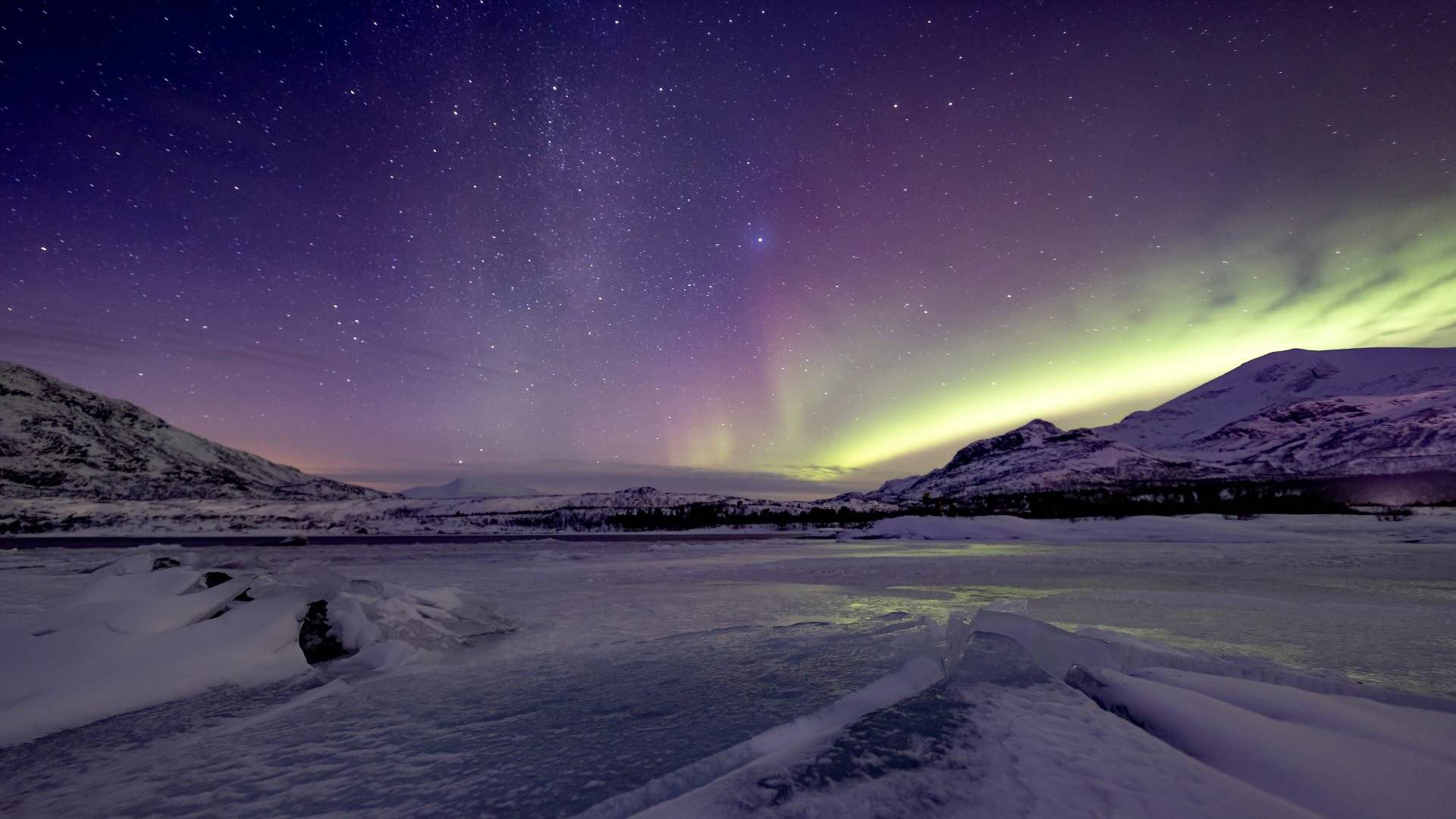
Here, you step into a northern mountain landscape in its natural state, shaped by peaks, coniferous forests, wetlands, open heaths and alpine tundra.
1909
Norrbotten
The heart of the Laponia World Heritage Site
Here, you step into a northern mountain landscape in its natural state, shaped by peaks, coniferous forests, wetlands, open heaths and alpine tundra.
1909
Norrbotten
About Stora Sjöfallet/Stuor Muorkke National Park
Five large waterfalls once plunged down over the mårka – a narrow strip of land between two bodies of water – and continued down into the lake Láŋas/Langas. This is why the area was given the name Stora Sjöfallet when the national park was established in 1909.
The Sámi name for the area is Stuor Muorkke, which means “a land between two lakes”. The national park was created to protect the waterfall and its source lakes. Shortly after its establishment, the park’s boundaries were redrawn to allow for hydropower development. The waterfall Stuormuorkkegårttje remains, but it is no longer as powerful as it once was. It is said that the roar of the waterfall could once be heard from about ten kilometres away.
The national park lies on either side of the reservoir Áhkkájávrre. The northern boundary is the deep Dievssávágge, known as Sweden’s most beautiful valley. To the south rises the mountain Áhkká and its glaciers. She is visible from almost anywhere in the national park.
The land is grazing ground for the Sámi communities Sirges and Unna tjerusj, which have their settlements throughout the area. In summer, the reindeer herds graze in the mountain valleys all the way to the Norwegian border.
Stora Sjöfallet/Stuor Muorkke National Park is part of the Laponia World Heritage Site, recognised for its outstanding natural and cultural values.